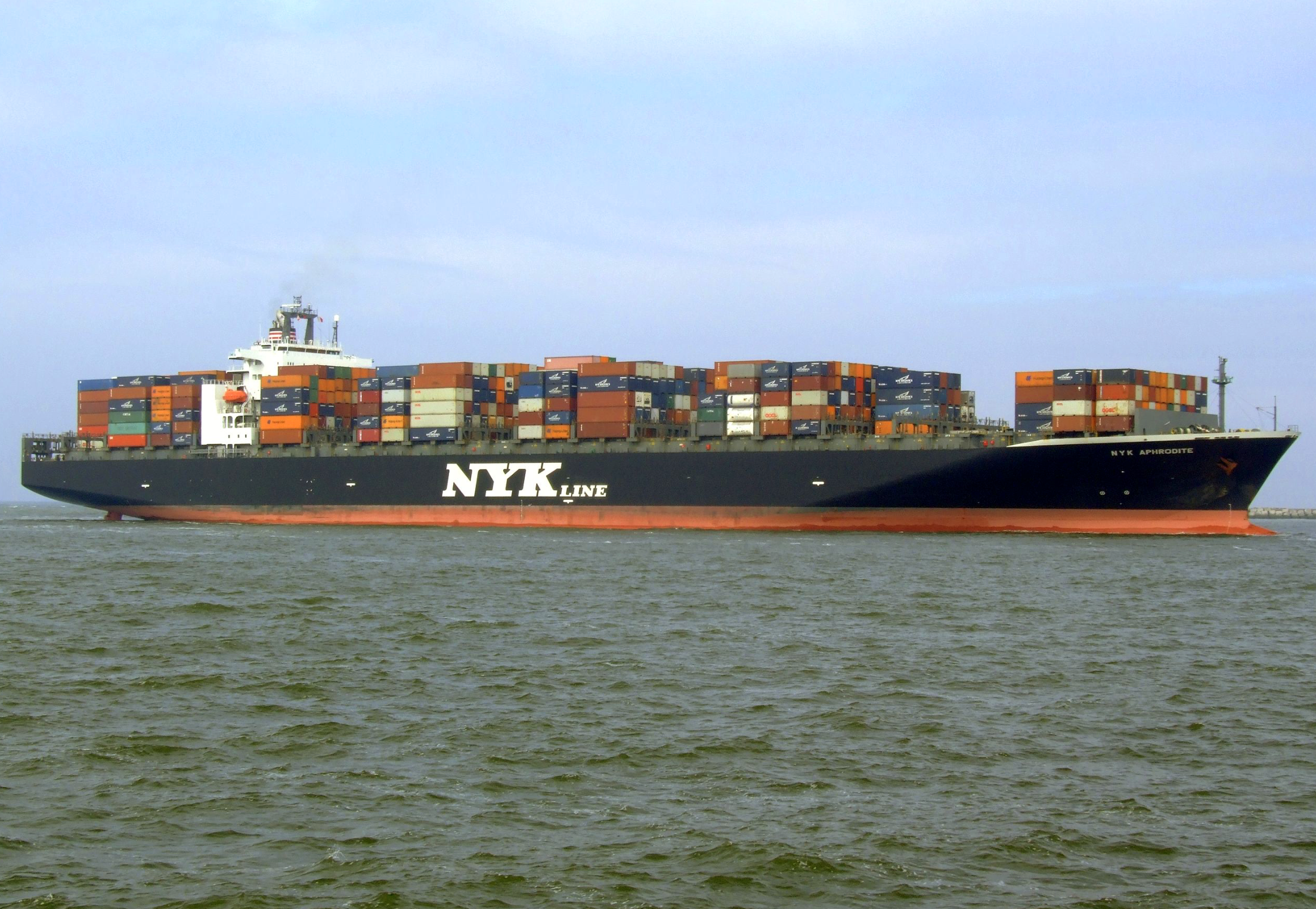
President Donald Trump has announced a significant escalation in trade measures against China, imposing a cumulative 104% tariff on Chinese imports. This decision follows a series of tit-for-tat tariff increases between the two nations, with the U.S. initially setting a 34% tariff, met by China’s equivalent response. In retaliation to China’s countermeasures, President Trump threatened and subsequently implemented an additional 50% tariff, bringing the total to 104%.
The immediate economic implications of these tariffs are profound. Economists warn that such steep tariffs will likely lead to increased costs for American consumers and businesses, as importers pass on the added expenses. Industries heavily reliant on Chinese manufacturing, such as electronics and automotive sectors, are expected to face significant disruptions. Major companies like Apple and Tesla, which depend on Chinese supply chains, may experience production challenges and increased costs.
Financial markets have reacted negatively to the escalating trade tensions. The S&P 500 and Nasdaq Composite have both recorded substantial losses, reflecting investor concerns over a potential global economic slowdown. The volatility underscores the uncertainty permeating the markets as the trade war intensifies.
Beyond the immediate economic fallout, there are growing concerns about the broader implications of President Trump’s tariff strategy. Critics argue that such aggressive measures could lead to prolonged economic instability and strain international relations. The potential for a full-scale trade war raises alarms about long-term impacts on global trade dynamics and economic growth.
Notably, dissent is emerging within President Trump’s own party and among prominent business figures. A Reuters/Ipsos poll indicates that nearly 25% of Republicans oppose the tariff plan, reflecting internal party divisions. Additionally, billionaire financiers such as Bill Ackman, who previously supported Trump, have publicly criticized the tariffs as a “major policy error.”
These developments have led to questions about the decision-making process within the administration. Some observers interpret the abrupt and severe nature of the tariff increases as indicative of erratic policy-making, raising concerns about the stability and predictability of the administration’s economic strategies.
In summary, the imposition of a 104% tariff on Chinese imports marks a pivotal moment in U.S.-China trade relations, with far-reaching implications for the economy, financial markets, and political landscape. The move has sparked debate and dissent domestically, while contributing to heightened uncertainty on the global stage.