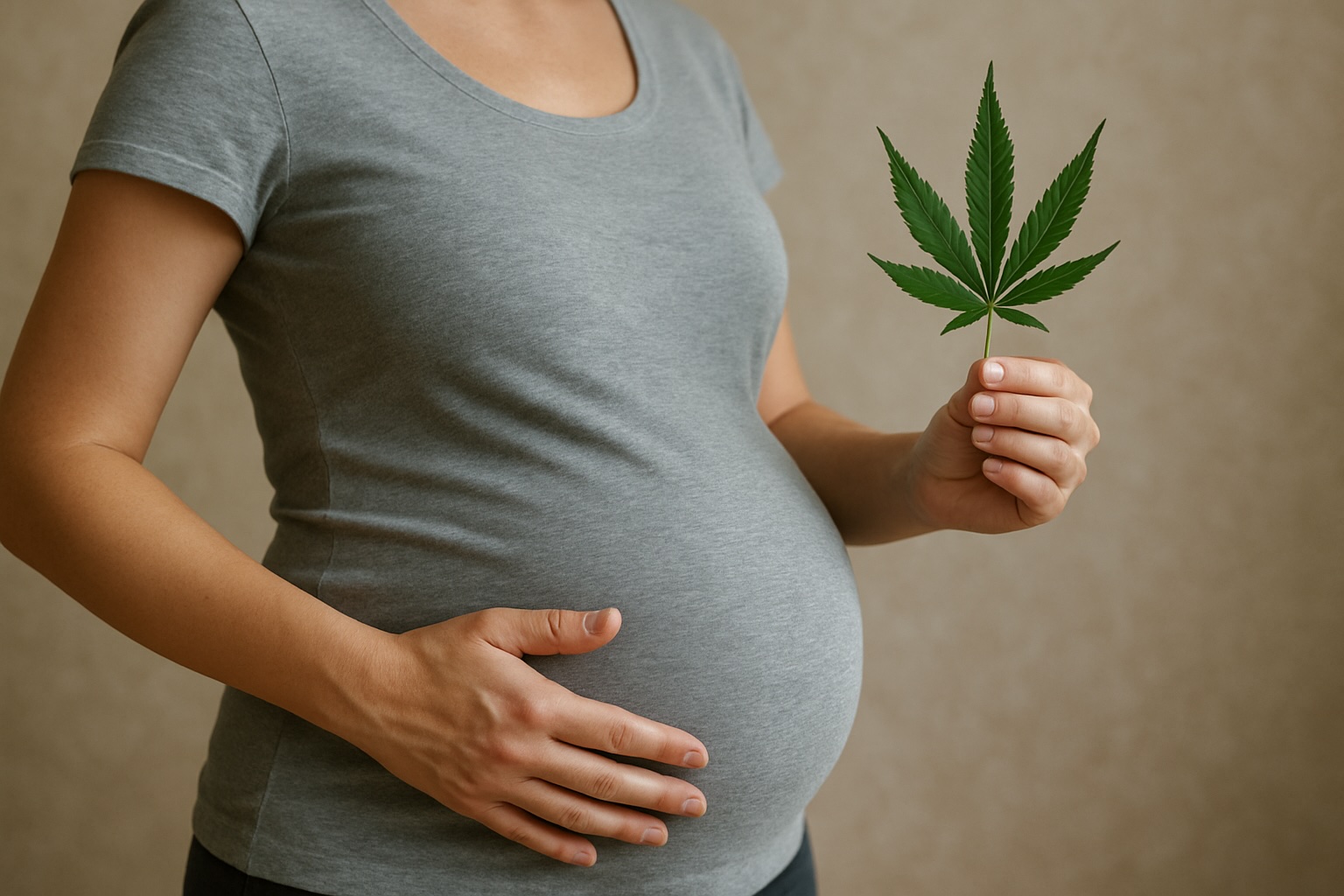
A recent comprehensive study published in JAMA Pediatrics has highlighted the significant risks associated with marijuana use during pregnancy. Analyzing data from over 21 million participants across 51 studies, researchers found that cannabis consumption while pregnant is linked to a 52% increased risk of preterm birth, a 75% higher likelihood of low birth weight, and a 29% greater chance of infant mortality. Dr. Jamie Lo, the study’s lead author and an obstetrician at Oregon Health & Science University, emphasized the gravity of these findings, stating that the most alarming outcome was the elevated risk of perinatal mortality—death occurring during or shortly after pregnancy.
The psychoactive component in cannabis, THC, can cross the placental barrier, directly affecting fetal development. Research indicates that prenatal exposure to THC may impair placental function, leading to restricted fetal growth and developmental issues. Additionally, studies have shown that such exposure can result in long-term neurodevelopmental problems, including cognitive deficits and behavioral disorders in children.
Despite increasing legalization and social acceptance of marijuana, health experts strongly advise against its use during pregnancy. The Centers for Disease Control and Prevention (CDC) warns that cannabis use can lead to complications such as gestational hypertension, preeclampsia, and placental abruption. These conditions pose serious risks to both the mother and the developing fetus.
Medical professionals stress the importance of educating expectant mothers about the potential dangers of prenatal cannabis exposure. They recommend that pregnant women consult healthcare providers for safe alternatives to manage pregnancy-related symptoms. The consensus in the medical community is clear: abstaining from marijuana during pregnancy is crucial to ensure the health and well-being of both mother and child.