President Donald Trump’s proposed 2026 federal budget outlines a significant shift in national priorities, featuring a $163 billion reduction in non-defense discretionary spending. The cuts target a wide array of programs, including education, healthcare, housing, scientific research, clean energy initiatives, and food assistance programs. Simultaneously, the budget proposes increasing defense spending by 13%, bringing it to $1.01 trillion, and allocating $175 billion to the Department of Homeland Security, emphasizing border security enhancements.
The proposed reductions would impact several key areas. Education funding faces significant cuts, potentially affecting K-12 programs, special education, and higher education grants. Healthcare programs, including those under the Department of Health and Human Services, may see decreased funding, influencing public health initiatives and research. Housing assistance programs, vital for low-income families, are also slated for reductions, which could exacerbate homelessness and housing insecurity. Additionally, the budget suggests scaling back investments in clean energy and scientific research, potentially hindering progress in climate change mitigation and technological innovation.
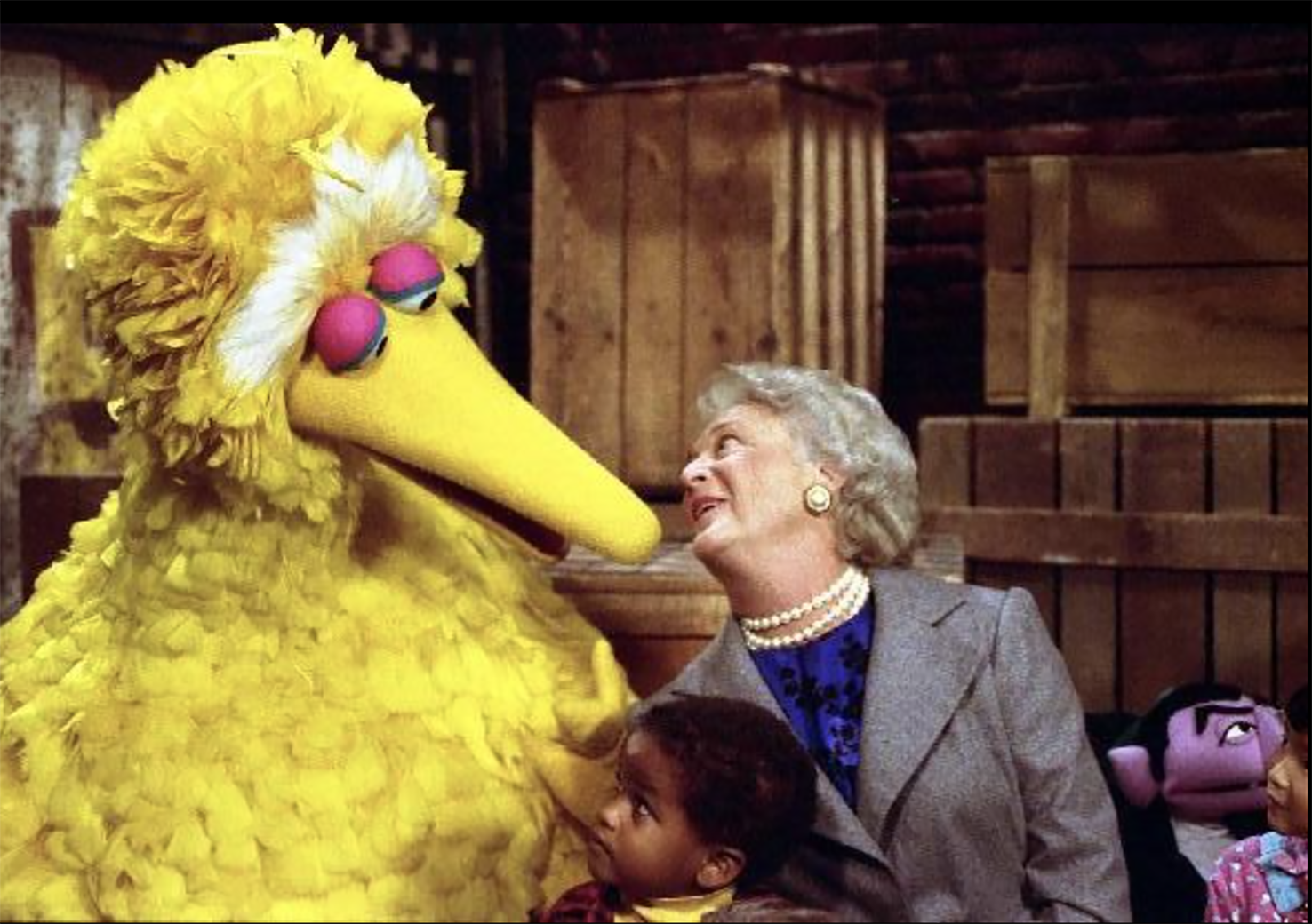
In a move that has sparked controversy, President Trump signed an executive order on May 1, 2025, directing the Corporation for Public Broadcasting (CPB) to cease all federal funding to National Public Radio (NPR) and the Public Broadcasting Service (PBS). The administration cited concerns over perceived partisan bias in these organizations. The CPB, responsible for distributing federal funds to public broadcasting entities, has been instructed to halt both direct and indirect funding, affecting over 1,500 local stations nationwide.
The decision to defund NPR and PBS has been met with significant opposition. Leaders from both organizations have labeled the executive order as unlawful and detrimental to public service media. They argue that the move threatens the availability of educational and cultural programming, especially in underserved communities. Legal experts have also raised concerns about the executive order’s alignment with the Public Broadcasting Act of 1967, suggesting potential violations of statutory protections for public media.
Beyond public broadcasting, the budget proposal includes cuts to arts and humanities funding, notably reducing allocations to the National Endowment for the Arts and the National Endowment for the Humanities. These reductions could impact numerous cultural and educational programs across the country. Furthermore, the budget suggests eliminating certain community development programs and reducing support for food assistance initiatives, which may affect vulnerable populations relying on these services.
Critics contend that the cuts disproportionately affect essential public services and marginalized communities. The proposed budget reflects a broader debate over the role of federal funding in supporting social programs versus defense and security expenditures. As the budget moves through the legislative process, it is expected to face scrutiny and potential revisions from Congress.