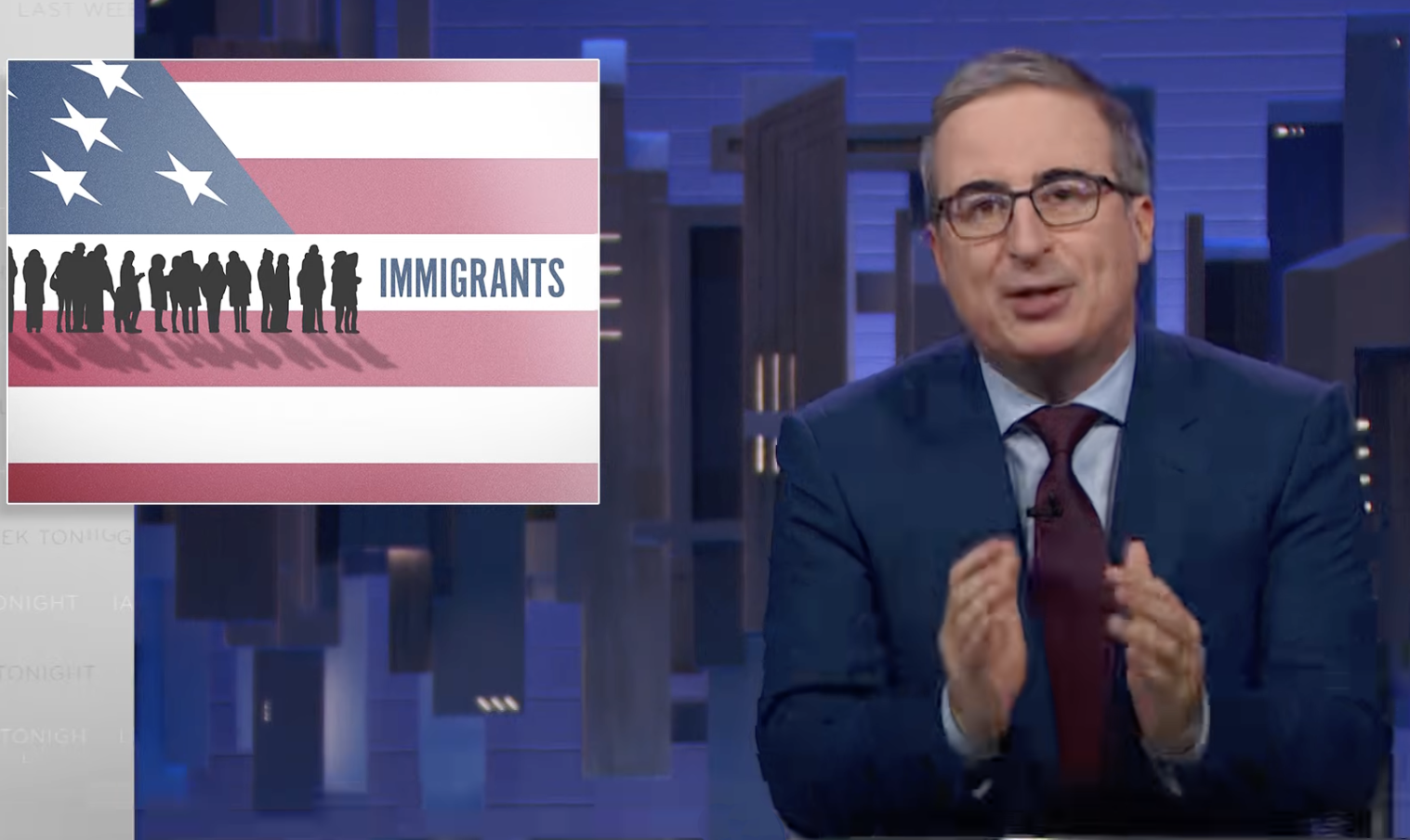
In the May 5, 2025 episode of Last Week Tonight, John Oliver delved into the Trump administration’s intensified deportation policies, spotlighting the case of Andry José Hernández Romero—a 31-year-old gay Venezuelan makeup artist and asylum seeker. Hernández Romero was deported to El Salvador’s notorious Terrorism Confinement Center (CECOT) based on tenuous evidence linking him to gang activity.
Hernández Romero had fled Venezuela due to persecution stemming from his sexual orientation and political views. Upon arrival in the U.S., he underwent a credible fear interview, a preliminary step in the asylum process, which he passed, indicating a legitimate claim for asylum. Despite this, he was detained and later deported without a court hearing, under the rarely invoked Alien Enemies Act of 1798. The primary evidence cited for his alleged gang affiliation were two crown tattoos on his wrists—symbols he explained were tributes to his parents and linked to his hometown’s cultural traditions, not gang insignia.
The decision to deport Hernández Romero was influenced by assessments from private contractors employed by ICE, including Charles Cross Jr., a former Milwaukee police officer with a history of misconduct. Cross identified Hernández Romero as a gang member based solely on his tattoos, despite lacking substantive evidence.
Since his deportation, Hernández Romero has been held in CECOT, a facility known for its harsh conditions and reports of human rights abuses. Advocates and legal representatives express grave concerns for his safety, emphasizing the lack of due process and the potential dangers he faces as an LGBTQ+ individual in such an environment.
John Oliver’s segment underscores the broader implications of the administration’s deportation policies, highlighting how individuals with credible asylum claims can be subjected to expedited removal based on insubstantial evidence. The case of Hernández Romero serves as a poignant example of the potential consequences of such policies, raising questions about the balance between national security and human rights.