

Bats are among the most misunderstood creatures, often unfairly associated with fear, darkness, and even horror stories. However, these fascinating mammals are far from the terrifying legends that portray them as bloodthirsty creatures. Out of over 1,400 species of bats, only three consume blood, and they prefer livestock over humans. Most bats feed on insects, fruit, nectar, or small animals, making them crucial for natural balance. Unlike popular myths, bats are not aggressive toward humans and rarely transmit diseases when left undisturbed. In fact, they are intelligent, social creatures that contribute significantly to ecosystems, making them worthy of admiration rather than fear.
Bats possess extraordinary abilities that set them apart from most mammals. They are the only mammals capable of true flight, using their flexible, webbed wings to navigate with precision. Many species use echolocation, a sophisticated sonar system that allows them to “see” in complete darkness by emitting sound waves and interpreting their echoes. Some species, like the Mexican free-tailed bat, can reach speeds of over 100 mph, making them one of the fastest flying animals in the world. Others, such as the giant golden-crowned flying fox, have impressive wingspans of over five feet, yet they are gentle fruit eaters. These unique traits make bats not just fascinating but essential to maintaining the balance of nature.
Bats provide immense ecological benefits across the world. Insect-eating bats act as natural pest controllers, consuming millions of mosquitoes and agricultural pests each night, reducing the need for harmful pesticides. Fruit bats, also known as flying foxes, play a key role in seed dispersal, helping forests regenerate by spreading seeds over vast distances. Nectar-feeding bats, like the lesser long-nosed bat, are essential pollinators of plants such as bananas, mangoes, and agave, which is used to make tequila. Without bats, many ecosystems would suffer, affecting food production, biodiversity, and even climate stability.
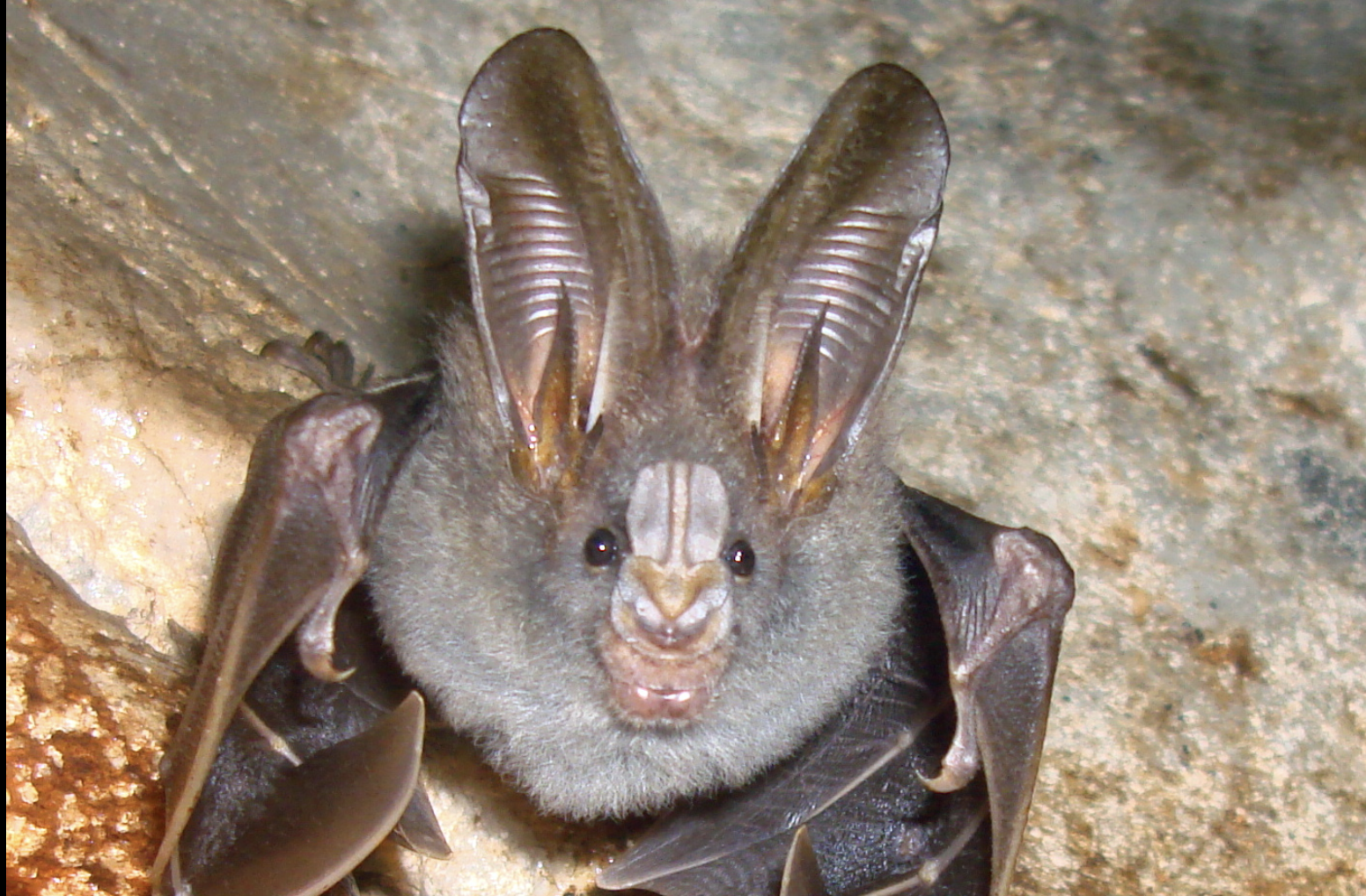
Despite their importance, bats face numerous threats, including habitat destruction, disease, and human fear. Many caves and forests that bats rely on for shelter are being destroyed, forcing them into urban areas where they are misunderstood and often harmed. White-nose syndrome, a fungal disease, has devastated bat populations in North America. To help protect bats, individuals can support bat conservation groups, plant native flowers that attract pollinating bats, and install bat houses to provide safe roosting spaces. Educating others about their benefits and dispelling myths can also make a huge difference. By taking small steps, we can ensure that bats continue to thrive and contribute to the health of our planet.